
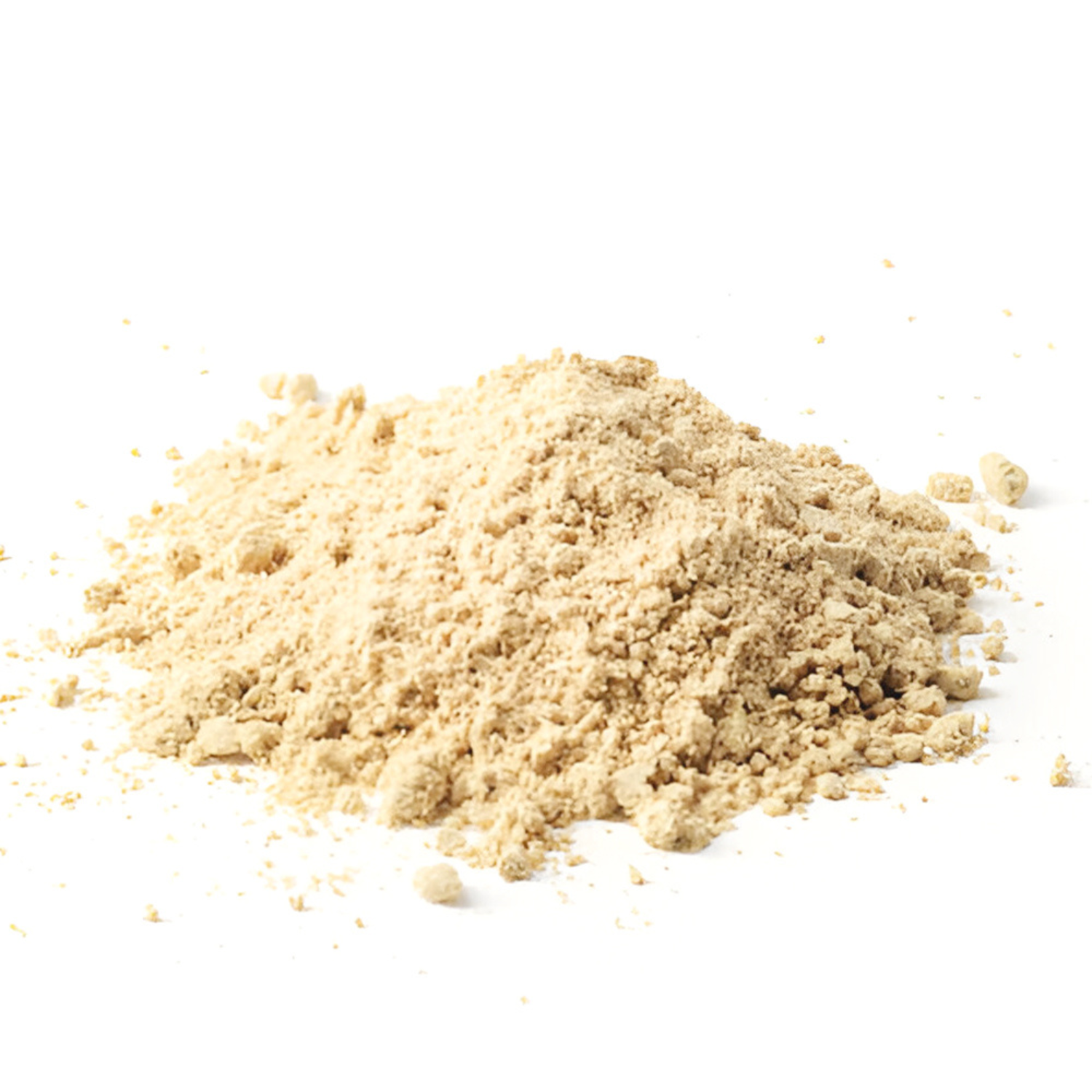
Real research, real limits
Ashwagandha has some of the better clinical evidence among adaptogens — studies have shown measurable reductions in cortisol and self-reported stress with regular use over several weeks. That’s a genuinely useful, evidence-backed effect, not just traditional reputation.
Where we’d rather be direct than persuasive:
Ashwagandha can increase thyroid hormone activity, which means it’s not recommended if you have hyperthyroidism or an unmonitored thyroid condition. It’s also not advised during pregnancy, and it should be avoided or discussed with a doctor first if you have an autoimmune condition, since it can stimulate immune activity. It’s generally considered well-tolerated for 3–6 months of use, but long-term safety data beyond that is still limited — this is a “use with intention,” not a “take forever” supplement.
How to use it
A common approach is ½ teaspoon (roughly 3g) mixed into warm milk before bed — the traditional preparation — or stirred into water. Give it 4–8 weeks before judging whether it’s making a difference; this isn’t a same-day effect.
FAQs
What’s a fair ashwagandha powder price in Pakistan?
Root-only powder (rather than a root-and-leaf blend) is generally the higher-quality, more standardized option and priced accordingly.
Is ashwagandha powder safe to take daily?
Generally yes for healthy adults over a period of months, but it’s not recommended for pregnant women, those with thyroid or autoimmune conditions, or without a break in use over the long term.
Does ashwagandha powder work as fast as capsules?
Effects build gradually either way — the meaningful difference is dosing consistency (capsules are pre-measured), not speed.
Reviews
There are no reviews yet.